


Login
Log in if you have an account
Register
By creating an account with our store, you will be able to move through the checkout process faster, store multiple addresses, view and track your orders in your account, and more.
Create an account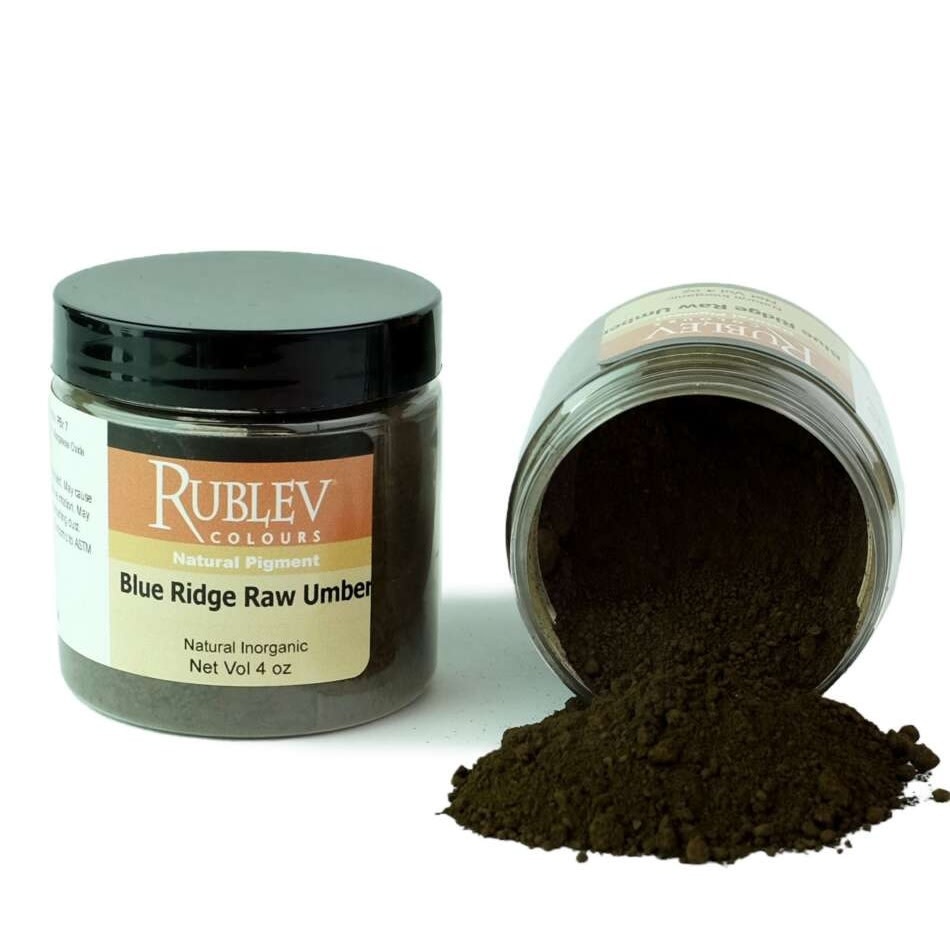
Brown earths have been known since prehistoric times and were mentioned in the earliest painting treatises. However, the name umber did not appear until the 16th century. Sixteenth-century Italian painting treatises used the term terra d'ombra, translated as umber for a type of brown earth. The name is likely derived from ombra, Italian for "shadow," because the pigment was useful for dark or shadow areas. Writers of the 17th century mentioned calcining umber before use, and the term burnt umber entered literature around this time. The term raw umber was not commonly used in English treatises before the 19th century. The name umber was frequently used for organic brown pigments in the 18th and 19th centuries, while brown iron oxides were referred to as brown ocher. Today, the name is most often associated with brown earth, composed primarily of iron and manganese oxides. In the 17th century, Turquet de Mayerne made the first association of umber with manganese containing iron oxide pigments by describing the drying properties of umber and the fact the colour became brown-red by burning.
Warning: Umber is considered non-toxic. However, manganese, a constituent of umber, is considered moderately toxic, so care should be exercised when handling the dry powder pigment so as not to inhale the dust.
Add your review
Review Rublev Colours Pigment Blue Ridge Raw Umber - 4 oz