


Login
Log in if you have an account
Register
By creating an account with our store, you will be able to move through the checkout process faster, store multiple addresses, view and track your orders in your account, and more.
Create an account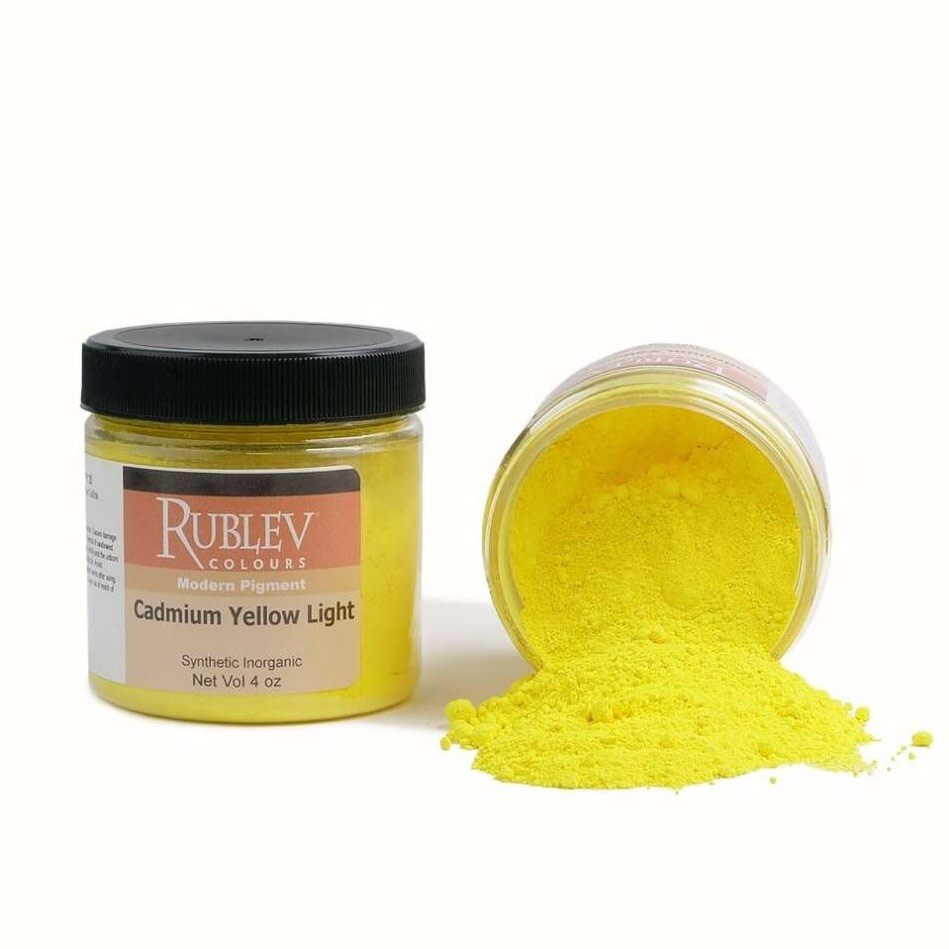
Most cadmium pigments are used in plastics. These pigments disperse well in most polymers, giving high opacity and tinting strength. The pigments are insoluble in organic solvents, have good resistance to alkalis, and in most cases, will remain lightfast for the life of the plastic. As a result, cadmium pigments have been used in a wide range of plastic products. Nowadays, their most significant application is in complex polymers, which are processed at higher temperatures and require the exceptional durability and technical performance of a cadmium pigment. They are almost mandatory in many nylon, acrylonitrile butadiene styrene (ABS), polycarbonates, high-density polyethylene, silicone resins, and other modern thermoplastic polymers processed at high temperatures which preclude the use of organic pigments and also most alternative inorganic pigments in the range of hues provided by cadmium. Cadmium-pigmented engineering polymers such as ABS are widely used in products which include telephones, gas pipes and fittings, electricity cables, beverage crates, and motor vehicle radiator fans.
Bright cadmium yellows, oranges, and reds are primary pigments for artists’ colors, where their permanence and opacity are the accepted standards against which other pigments are judged. Cadmium yellows and reds can have service temperatures well above 300 °C and are used in coatings for process chemical and steam pipes. They can also be incorporated into latex and acrylic coatings.
WARNING: Exercise care when using dry pigments. Do not eat, drink or smoke. Avoid breathing dust. Use a NIOSH-certified dust respirator. Wash hands immediately after use. If the creation of dust is likely, wear protective clothing.
Add your review
Review Rublev Colours Pigment Cadmium Yellow Light - 4 oz