


Login
Log in if you have an account
Register
By creating an account with our store, you will be able to move through the checkout process faster, store multiple addresses, view and track your orders in your account, and more.
Create an account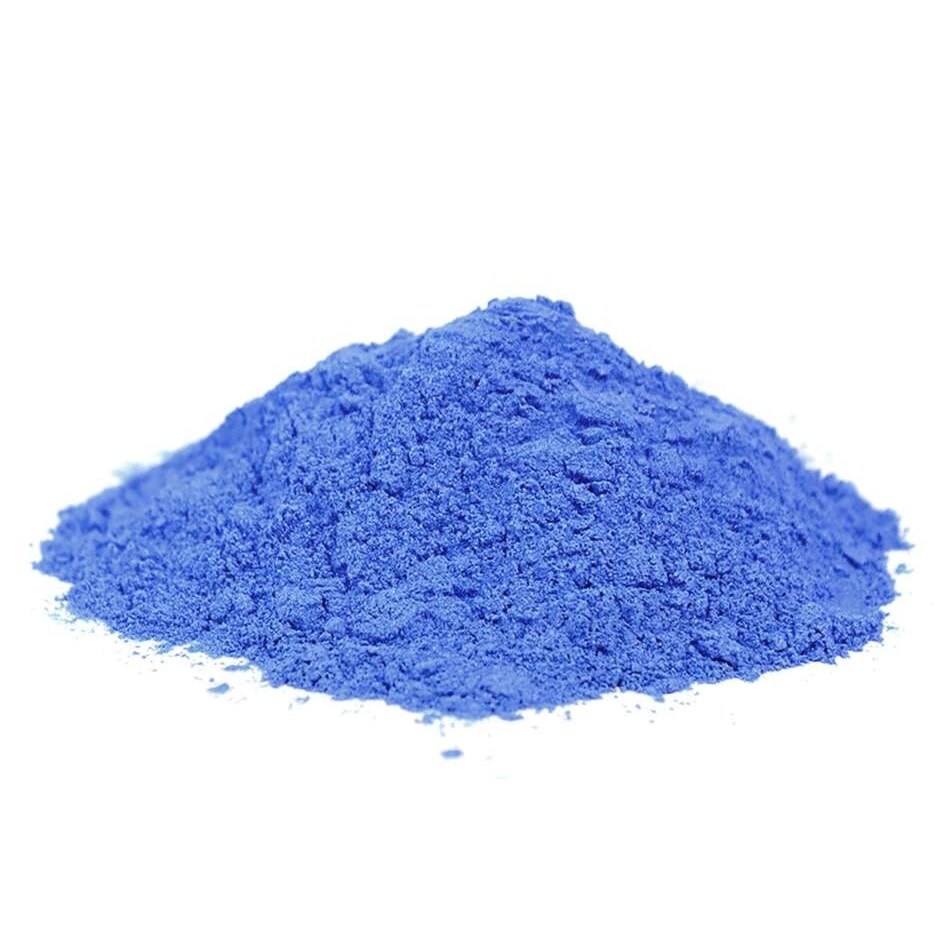
Lapis Lazuli is a rock containing the mineral lazurite, a complex sodium calcium aluminum silicate sulfate, in which part of the silicon atoms (Si) are substituted for sulfur atoms (S) in the form of sulfur anions. The rich blue colour is due to the sulfur inherent in the structure of lazurite. It is usually described as an intense blue to gray-blue. The greater the sulfur anions, the more intense the blue color of lazurite. In its vivid dark blue variety, the sulfur content reaches 0.7%. Lazurite, an amply soft and brittle mineral, is easily processed as a pigment. It is a popular but expensive mineral commonly found combined with other minerals in the rock called lapis lazuli. Lapis lazuli, or lapis for short, is mostly lazurite but commonly contains pyrite, calcite, and other minerals. Lazurite means “blue rock” and is always a brilliant blue with violet or greenish tints. Tiny pyrite crystals (FeS2) are always present in lapis, and their gold-yellow color distinguishes lapis from a similar mineral, sodalite, and the synthetic pigment, ultramarine. The golden impregnations of pyrite create the impression of stars in a dark blue sky. Calcite produces white streaks in lapis, and too much calcite lowers the value of the mineral pigment. The carbonate mineral azurite has a very similar colour to lazurite but is associated with the green mineral malachite.
Sourced from one of the world’s oldest lapis lazuli mines in Afghanistan. For over 4,000 years, lazurite has been extracted at Shar Shakh in Badakhshan, Afghanistan.
Lazurite is lightfast, resistant to atmospheric gases, and possesses good hiding power. It is durable with all other permanent pigments. It is suitable for all techniques.
Oil Absorption and Grinding
Lazurite absorbs a moderate amount of oil during dispersion and forms a good, flexible film. To prepare pigment from lazurite, selected small pieces, as free as possible of pyrites and other impurities, are heated in a crucible and quenched (étonné). This material is then finely ground, levigated, and washed. Cennini describes a method for further purifying the pigment to obtain the highest-quality grades. Basically, finely washed pigment is mixed with a bit of wax, rosin, and linseed oil into a dough. This is kneaded in a weak solution of soda lye. The alkaline water removes the finest particles of color, which settle out when left standing. The dough retains the impurities. This process is repeated, and the successive extracts from the same dough become grayer. The first extraction yields the purest, deepest blue, and the last is blue-gray. We will soon offer grades of lazurite hand-processed with this ancient formula.
Toxicity
Lazurite is not considered toxic, but care should be used in handling the dry powder pigment so as not to inhale the dust.
Add your review
Review Rublev Colours Pigment Lapis Lazuli - 10 g